If you all read my post ‘canine distemper ruins lives’ you might find it interesting to note that National Geographic just wrote an article about a CDV breakout in the tiger population in Russia.

If you all read my post ‘canine distemper ruins lives’ you might find it interesting to note that National Geographic just wrote an article about a CDV breakout in the tiger population in Russia.
I am sure you have heard me preach about the evils of palm oil, again and again, but if you’ve actually tried to shop for products without palm oil you’ve probably found that you’re going without a lot of your normal snacks. It sucks! Goodness, I’ve missed popcorn, but now theres a way to find who is using sustainable palm oil!

Canine distemper virus, or CDV, is a virus that attacks the digestive system, the respiratory system and degeneration of the nervous system. Though it mostly affects dogs, it can be found in wild animals like raccoons. It is an airborne virus, but is also present in any and every excretion from an infected animal. Recently 22 big cats were diagnosed with CDV at In-Sync Exotics.

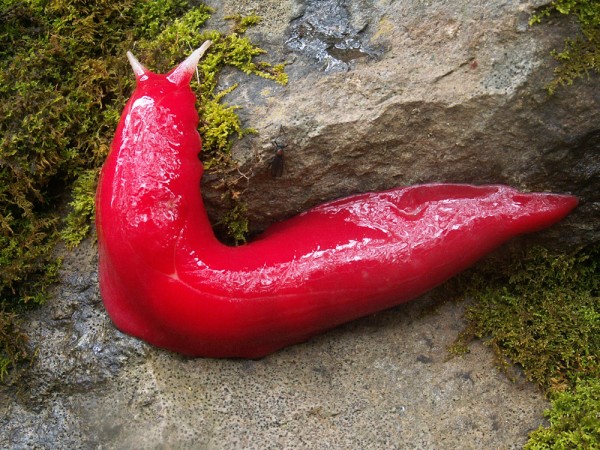
Cannibal snails, hairy snails and even neon slugs all make Mount Kaputar in Australia their home. This unique and fragile mountain habitat has saved these odd gastropods from extinction. Once upon a time New South Wales was covered by rain forests comparable to Papua New Guinea, but today climate shift even just two degrees could destroy the entire habitat.
Chimpanzees share 98% of our DNA, they have complex relationships, raise their young, wage wars, have friendships, alliances and enemies. They have extensive tool use and even have intricate means of communication. As far as I knew, they were endangered species. I mean, this is what IUCN’s website and even WWF will tell you. But today I learned that that was only applicable to free-living chimpanzees. This means that chimpanzees in captivity are listed as threatened. Maybe this doesn’t seem so bad, until you realize that that is the loophole that allows them to be test subjects and live in labs, in often, sub-par conditions.

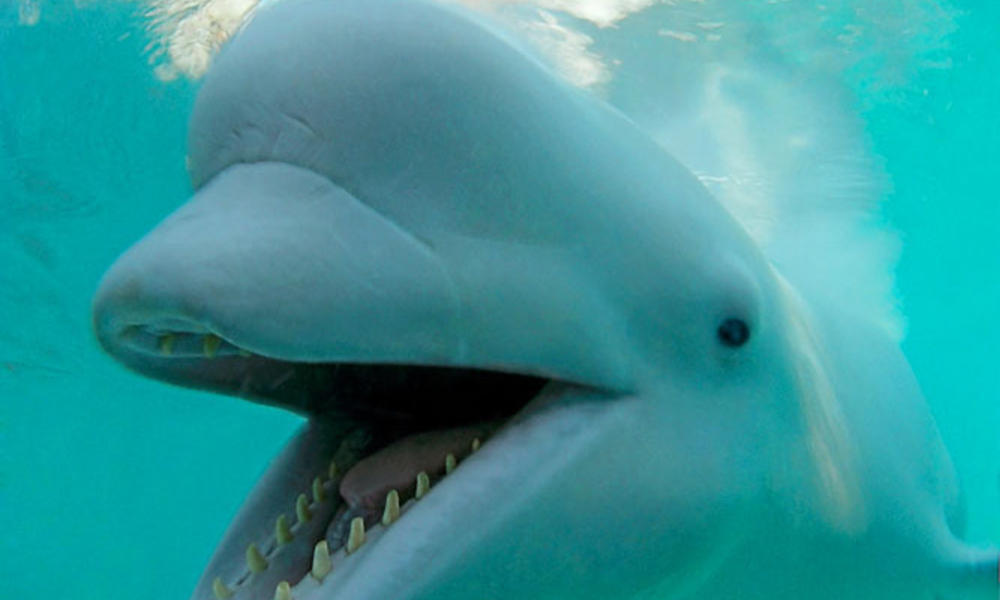
The Marine Mammal Protection Act was enacted in 1972 to protect any and all marine mammals from U.S. citizens who might want to take them or import them. The Georgia Aquarium, SeaWorld and Chicago’s Shedd Aquarium are working to try to import the 18 Russian beluga whales that they captured between the years of 2005 to 2011.
If any of you read National Geographic News or follow them on Facebook you might have recently seen something about the California Dwarf Fox coming back from the brink of extinction. The drastic increase in numbers over the last nine years has been staggering. While this is all well and good what really caught my attention was the idea of island dwarfism, something I have been fascinated with since I was a little girl.

This week in science from I F*cking Love Science

About a month ago I wrote a post called ‘it’s only 4 million acres‘ about an Indonesian govenor’s plan to open up 4 million acres of conserved rainforest to mining and plantation use on the island of Sumatra. That is the area of one million football fields.

Recently the International Institute for Species Exploration at Arizona State University chose 10 species that it named the top 10. The species are chosen based on being unique, unusual or even ones that live in treacherous terrain. These new species are not just animals, but include plants and fungus as well!
 Endangered Living