All posts by Sarah Bell

Current PhD candidate studying the effects of the 2014-2016 Ebola epidemic in Sierra Leone, including investigating any cultural changes that may have happened due to the epidemic and how these changes effect wildlife and the environment. Sometimes I am in the U.K. and sometimes I am in Sierra Leone.

odd animal profile: binturong

The binturong, the malaysian bearcat, what ever you call it, it’s still one of my favorite animals. I vaguely remember hearing about the strange animals on some television show when I was young, but I never really knew anything about them until I began my internship at the Palm Beach Zoo. Behind the scenes of the Wild Things show lived the retired Scooter, a very old, very sweet binturong.

From Arkive
From Arkive

Continue reading odd animal profile: binturong

black beauty ranch

I recently had the privilege of filming a public service announcement for Cleveland Amory Black Beauty Ranch in Murchison, Texas. It is the largest animal sanctuary in the U.S. and is made up of 3,010 acres and is home to over 1,000 animals. It is a beautiful place and I believe that ever animal facility should look to them for how animals should be housed and treated. This PSA was filmed and edited by me, and I do have the rights to the music. A great thanks to BBR and HSUS for helping out so much. This was made for a journalism class I am currently taking at SMU.


long awaited retirement

The National Institute of Health is a branch of the U.S. Department of Health and Human Services. It is the largest source of funding for medical research in the world and is comprised of almost 30 centers. Wednesday, June 26, NIH announced that they would be retiring 310 government owned chimpanzees.

Photo from NIH
Photo from NIH

Continue reading long awaited retirement

orphaned for a horn

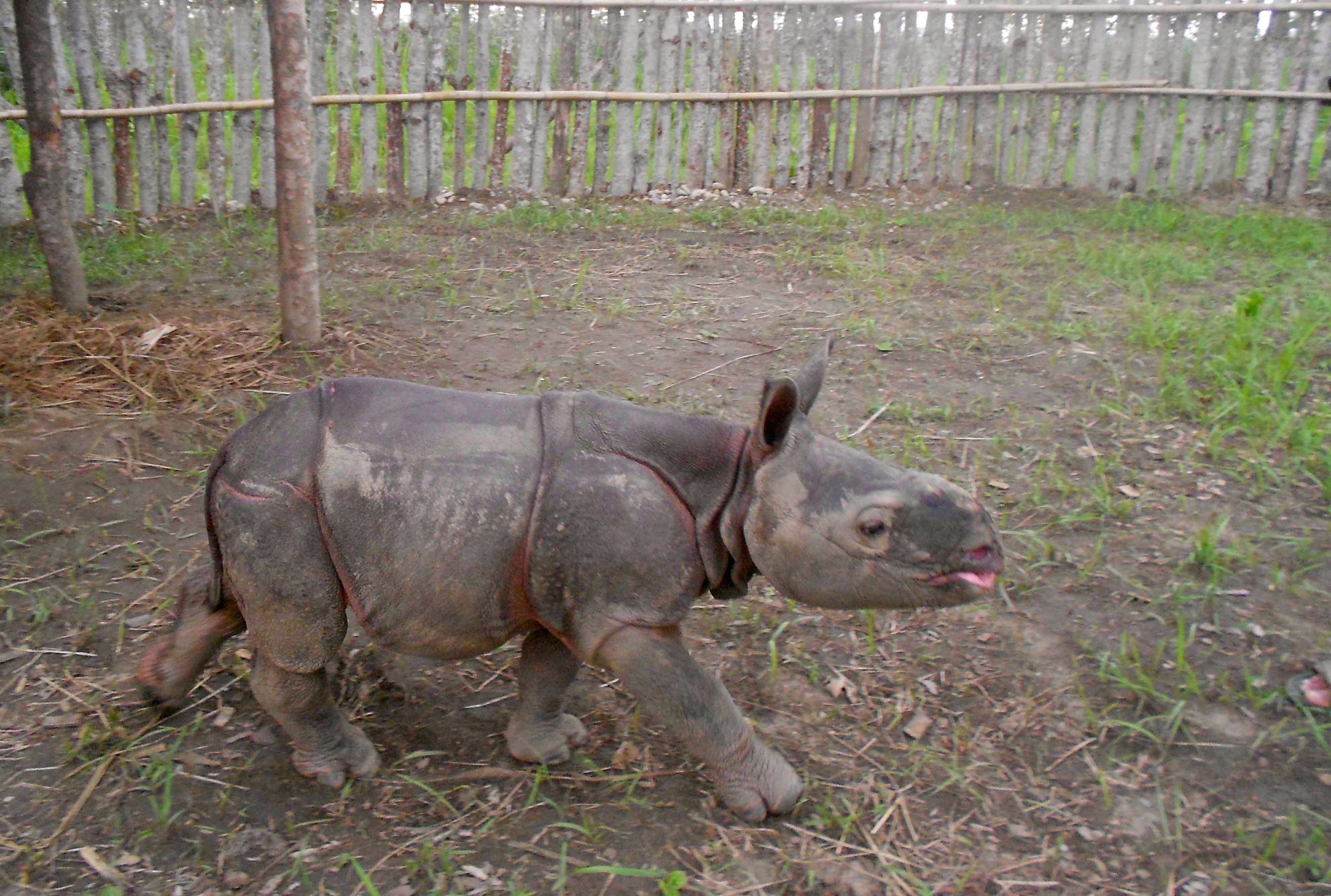
In April a greater one-horned rhino called ‘Rhino 17’ was shot and killed for her horn. These stories are all to common across India and Africa as rhino poaching is on the rise across the globe as the demand for ground horn soars. This rhino was a little different, however, because she had a new born calf by her side as she was killed. Now although this little rhino’s story is not a happy one, it may not have to end in tragedy.

Photo from WWF
Photo from WWF

Continue reading orphaned for a horn

there’s an app for that

I am sure you have heard me preach about the evils of palm oilagain and again, but if you’ve actually tried to shop for products without palm oil you’ve probably found that you’re going without a lot of your normal snacks. It sucks! Goodness, I’ve missed popcorn, but now theres a way to find who is using sustainable palm oil!

Photo from the Cincinnati Zoo Sustainable Shopper

Continue reading there’s an app for that

canine distemper ruins lives

Canine distemper virus, or CDV, is a virus that attacks the digestive system, the respiratory system and degeneration of the nervous system. Though it mostly affects dogs, it can be found in wild animals like raccoons. It is an airborne virus, but is also present in any and every excretion from an infected animal. Recently 22 big cats were diagnosed with CDV at In-Sync Exotics.

Apollo in his tub. He is very sick and lethargic. I saw his two days ago and his eyes we're dull.
Apollo in his tub. He is very sick and lethargic. I saw his two days ago and his eyes we’re dull.

Continue reading canine distemper ruins lives

how the country of mali put me to shame

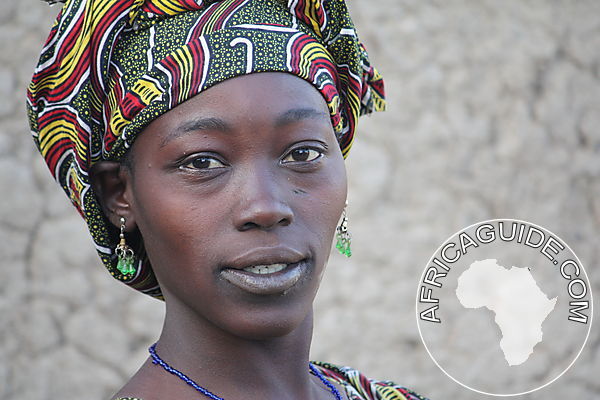
I recently decided that I should do more anthropologically minded posts, because I am an anthropologist. While I do post quite a bit about primates, I am sorely lacking in posts about cultures that western civilization may not know about. I was thinking that maybe I would do a post about the pygmy people living in the Ituri or maybe the aboriginals in Australia. Little did I know I would be learning, not only about a new culture, but a whole new country. A big country. That country is called Mali, and the main tribe of Mali is called the Bambara tribe.

stand_bambara_woman-3905

Continue reading how the country of mali put me to shame

mount kaputar’s cannibal snails

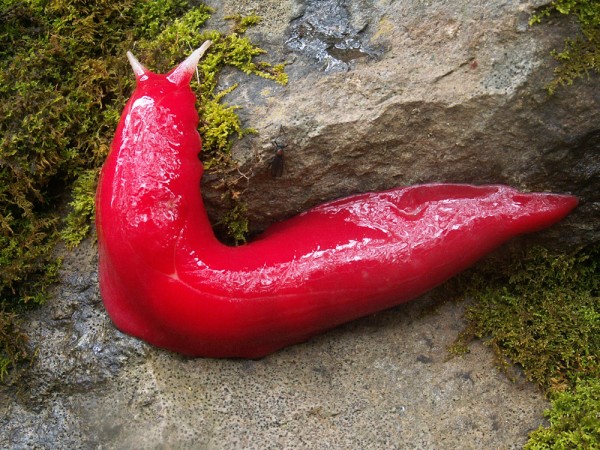
Cannibal snails, hairy snails and even neon slugs all make Mount Kaputar in Australia their home. This unique and fragile mountain habitat has saved these odd gastropods from extinction. Once upon a time New South Wales was covered by rain forests comparable to Papua New Guinea, but today climate shift even just two degrees could destroy the entire habitat.

Photo from National Geographic

Continue reading mount kaputar’s cannibal snails

a ray of hope for captive chimpanzees

Chimpanzees share 98% of our DNA, they have complex relationships, raise their young, wage wars, have friendships, alliances and enemies. They have extensive tool use and even have intricate means of communication. As far as I knew, they were endangered species. I mean, this is what IUCN’s website and even WWF will tell you. But today I learned that that was only applicable to free-living chimpanzees. This means that chimpanzees in captivity are listed as threatened. Maybe this doesn’t seem so bad, until you realize that that is the loophole that allows them to be test subjects and live in labs, in often, sub-par conditions.

Photo from WWF
Photo from WWF

Continue reading a ray of hope for captive chimpanzees