Current PhD candidate studying the effects of the 2014-2016 Ebola epidemic in Sierra Leone, including investigating any cultural changes that may have happened due to the epidemic and how these changes effect wildlife and the environment.
Sometimes I am in the U.K. and sometimes I am in Sierra Leone.
Today is the age of social media. News papers and magazines are dying and people are now getting their information from places like Facebook, Twitter or… hey! even blogs like this one! Well, besides from online news sources like National Geographic or Science Daily who should you be following to get your daily dose of science? Well, lets take a look at a few of my favorite places gain some serious knowledge.
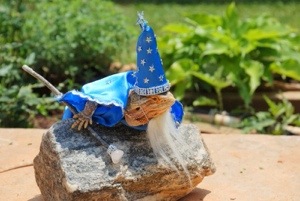
Woah, woah, woah! What is this? A hump day post? Well, you see, every day when I go online and check my stats I see that ‘dolphins and rape’ always without fail has seen activity, even though it is one of my older posts. So let’s see if cross dressing animals can catch your attention the way my previous hump day posts have.
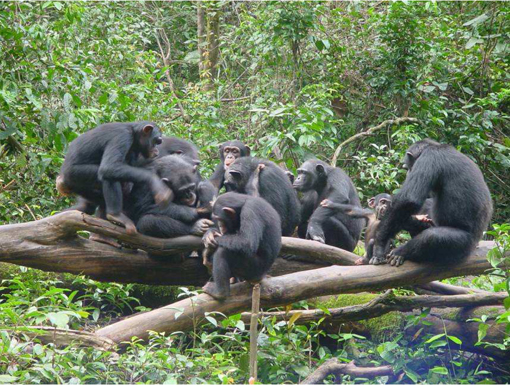
I am so excited to finally announce that I will be spending three magnificent weeks in Sierra Leon observing chimpanzees this summer. It has been a while since I published a personal post, since I have been waiting to hear back from a few different institutions regarding my future in primatology. But now that I am pumped full of excitement and vaccines, I think that it is safe to share a little bit about the Tonkolili Chimpanzee Project in the Tonkolili District of Sierra Leon in Western Africa.
Chimpanzees in Sierra Leon. Photo courtesy of the Arcus Foundation.
I have been working on an independent project where I have been evaluating a series of protected areas around the world that are home to a variety of species of primates. I am doing so to evaluate what exactly is going wrong in these parks in comparison to some protected areas that are not overrun with illegal hunting, logging and development. One of the ‘parks in peril’ that I am examining is the Aceh Protected Forest. This forest is in Indonesia on the island of Sumatra which is being degraded at an alarming rate. Take a look at some of the information I’ve found:
I know that my posting frequency has drastically declined, but thank you guys all for hanging in there with me. I’m hurtling headlong into my last semester of undergrad and it’s been exhausting. As you may know I will be graduating a year early and will be heading off to Oxford for postgrad studies this coming fall, but there is still a lot to do in between now and then.
But between applying for graduation, preparing for my upcoming trek to Africa, dealing with some seriously stressful personal things (some people, you know?!), and getting ready to move overseas I am one busy girl. Hopefully over this winter break I will have more time to spend on here and share in detail all of the exciting things that are happening not just in my life but in the science and conservation world (we’re talking evolution/creationism battles, IUCN red list additions, national parks in peril, and maybe even the return of the ‘happy hump day’ weekly post). But I’m heading into finals week and I am seriously behind, the woes of being a professional procrastinator. So.. Hopefully you’ll hang on just a bit longer! Until next time loyal anthrojunkies
The article “Historic U.S. Ivory Crush a Call to Global Action” is a well written article that examines what is wrong with society and the flaws in trying to end the ivory trade. It even sums up with a nice little analogy from earlier in the article. I’ll link it here for you all to read. But that is besides the point. The burn on the ivory trade is that the U.S. has just destroyed six tons of seized ivory in a public display of defiance of the slaughter of these animals.
I’ve developed the habit of listening to BBC World News in the car rather than my usually country music and last week I heard a story that I just haven’t been able to shake. Mindy Budgor’s story has been following me around and making me feel like I really need to get out and starting making waves. Mindy, a California native, recently spent some time in Kenya earning her position as the first honorary Maasai female warrior. She spent several months eating only what she could kill, drinking blood and facing life-threatening situations, but she came out the other side stronger, happier and more at peace with her life.
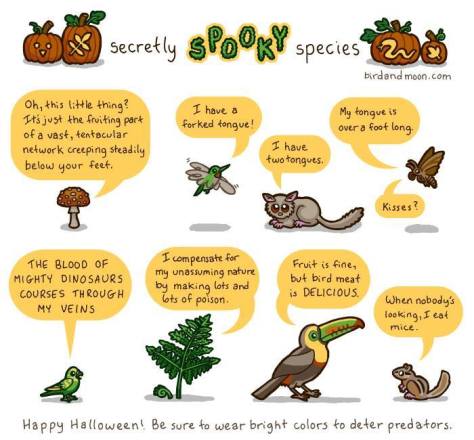
Yesterday Science Magazine put out a fun little article titled 10 Animals That Don’t Need Halloween Costumes featuring animals that have great camouflage and mimicry! This means that they can blend in amazingly well with their environment and often are trying to look like something (or someone) else! But what I noticed is aside from a picture and the name of the species, there wasn’t much information on the animals! So lets fill in those gaps!
Hey guys! I am officially on Facebook and I would love it if you would follow my page so you can receive updates right to your wall! I also share more conservation news through links to photos and other stories so it’s a great resource for conservation and science news, and sometimes even some humor! So take some time, and click click click!
Blackfish is a documentary following the life of Tilikum the orca, also known as the ‘killer’ whale, that has killed three people while in captivity. The documentary airs tomorrow on CNN with the tagline Never Capture What you Can’tControl. I encourage those who can to take a look at the documentary tomorrow (thursday) night at 9pm ET/PT. It is also showing in some theaters.




 Endangered Living