Current PhD candidate studying the effects of the 2014-2016 Ebola epidemic in Sierra Leone, including investigating any cultural changes that may have happened due to the epidemic and how these changes effect wildlife and the environment.
Sometimes I am in the U.K. and sometimes I am in Sierra Leone.
So this is my first attempt at anything like this, but I am pretty proud of my first try. Not to mention I edited it on free software on my mother’s laptop while I was home for Christmas, so it could be a bit smoother. I also wish I had left out the bit about the dolphins. I was just so excited to have found them, but unfortunately they were a bit too far away. I wish you could have seen them!
I am probably going to re-edit this footage for something a bit smoother, but I am so excited to share the awesome footage I got of the endangered key deer! So here is a rough cut, I hope you hang on until the end (I know it’s long, I’ll shorten it, I promise) to meet a very special little lady.
Sorry I have been a little absent as of late. With finals and the holidays I’ve been swamped! But I am working on getting a few video blogs up for you guys! And in the process I have decided to give Endangered Living it’s very own Instagram @endangeredlivingContinue reading Instagram→
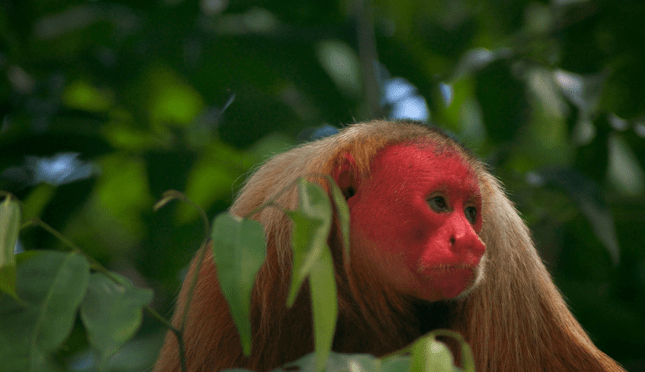
It is high time we moved on to New World Monkeys. All of the primates discussed from now on are going to be found in South America, starting with the family pitheciidae. Pitheciids include titi monkeys, saki monkeys, and uakaris. They are a pretty strange looking bunch, with the red-headed uakari being a personal favorite of mine. Continue reading Pitheciidae→
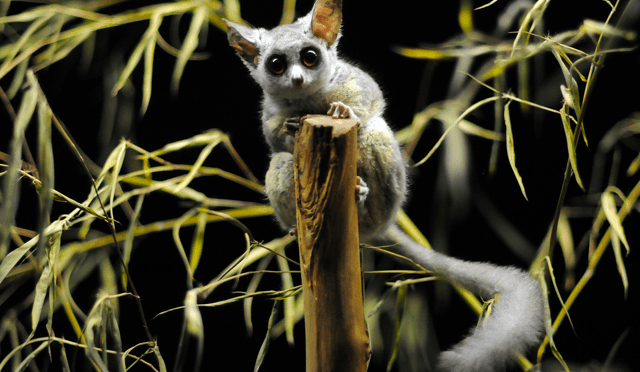
I had an interesting encounter with a member of the galagidae family during my time in Sierra Leone, although at the time I didn’t know that’s what I was hearing. I woke up in the middle of the night in my tent in an absolute panic as I was fairly certain I was hearing a woman being murdered. I didn’t know what to do, so I told myself it was a very upset goat and went back to sleep. In the morning I learned that I was listening to the majestic call of the bush baby, or galago, or the only member of the galagidae family. Continue reading Galagidae→
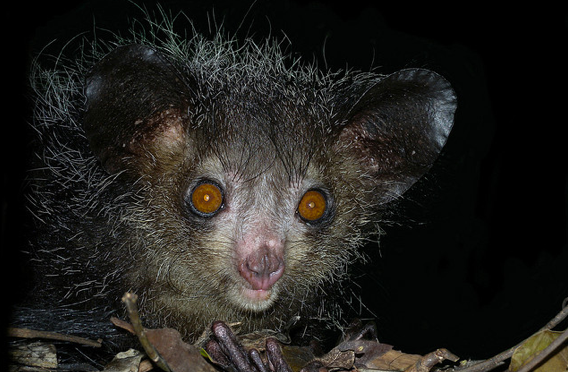
Well, I personally think daubentoniidae this is the most difficult family to memorize, and I don’t quite know why. This family is really unique and contains only one species: the Aye-Aye. These weird little lemurs are the only species left of the daubentoniids after the other went extinct about 1,000 years ago. Continue reading Daubentoniidae→
Megaladapidae is one of the families of primates that is often argued over by taxonomists. Everyone has an opinion in taxonomy. I have decided to put it as a separate family because honestly, sportive lemurs are pretty cool. Megaladapids were said to be extinct because the taxonomic group originally covered all of the giant lemurs the size of gorillas that use to roam Madagascar. But like most megafauna, it was killed off by humans.
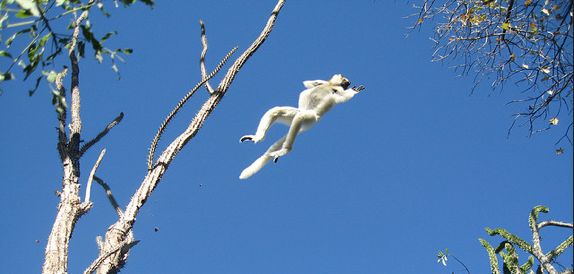
Primates in the family Indriidae are also found on the island of Madagascar, but these primates are a bit different from the lemurs we have been talking about so far. The species included in the family indriidae are indris, sifakas, and woolly lemurs. Although I said they were different they still share several commonalities like the fact that indriids are not monkeys, but also lemurs, they are also strepsirrhines who have wet noses, and are diurnal.
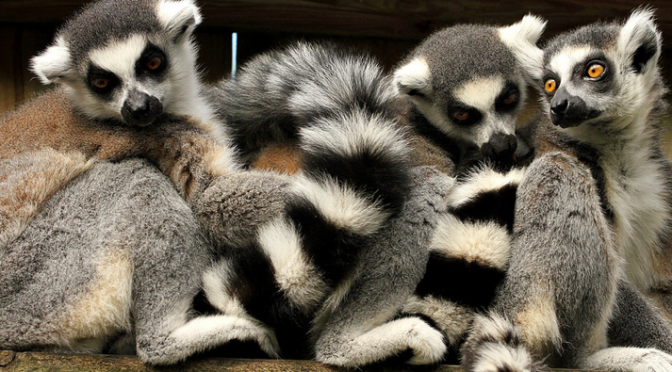
Lemuridae is another large family of primates, just like cercopithecidae, as it includes most species of lemur. I mentioned in my last primate families post that all lemurs are found on the island of Madagascar, but something that differs from the cheirogaleidae is that lemurids are diurnal. Diurnal means that they spend most of their time awake during the daylight hours.
We have finally arrived at the smallest primates in the world. The members of the cheriogalidae family include mouse and dwarf lemurs. Now, all lemurs are found on the island of Madagascar, which is off the eastern coast of Africa. Cheriogalids are both nocturnal and live their entire lives in the trees.
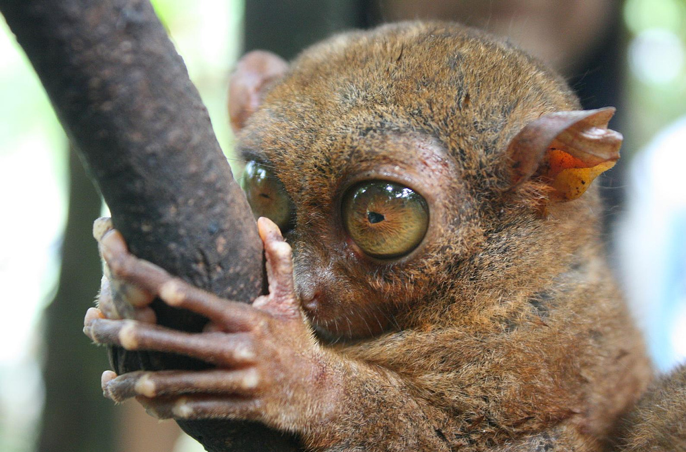
The tarsiers of the tarsiidae family are small primates with enormous eyes. Those enormous eyes help them to see in the dark, which is particularly useful when you are a nocturnal primate. These are such odd looking animals with their tiny bodies, only about 15 cm in length and their long, bald, tails, which are about 25 cm in length.






 Endangered Living