
Exciting news! I have heard that (if all continues going well visa-wise) I will be including the Bornean Sun Bear Conservation Centre in my study of the effects of volunteer tourism on conservation. These are really interesting little bears, so I thought I would tell you a bit more about them. Continue reading Malayan Sun Bear

World Wildlife Day 2015: How Great Apes Change the World
Today, March 3rd, is World Wildlife Day. Every year there is a theme that brings attention to something that is threatening species all over the world. This year’s theme is #seriousaboutwildlifecrime. Wildlife crime includes things like the illegal poaching of animals or animal parts on the black market. This be anything from an elephant tusk sold for jewelry to an infant chimpanzee sold as a pet. Continue reading World Wildlife Day 2015: How Great Apes Change the World

The European Stork: From Marrakech to Urban Legend
These magnificent 3 foot tall birds may not be a species you have heard of, but then again, you may be wrong. If you have ever heard the panicked parent’s reply to the question “Where do babies come from?” you’ve probably at least heard reference to this iconic bird. When someone says “Storks bring babies” they are referring to the European stork. Continue reading The European Stork: From Marrakech to Urban Legend

Volunteer Tourism and the Orangutan
I find myself needing to apologize in nearly every post. All I can say is in the next few months I will be beginning my field work in Malaysia and Indonesia and I hope to post almost daily from there, as I will have regular access to wifi. But before I head over I thought I should share with you what my project will be about and why I believe it is important. I hope you will read this because I will be relying on people like you to help and donate anything to my research to help fund it. I will have a crowd funding site up and running as soon as everything is finalized.

Key Deer
So this is my first attempt at anything like this, but I am pretty proud of my first try. Not to mention I edited it on free software on my mother’s laptop while I was home for Christmas, so it could be a bit smoother. I also wish I had left out the bit about the dolphins. I was just so excited to have found them, but unfortunately they were a bit too far away. I wish you could have seen them!
I am probably going to re-edit this footage for something a bit smoother, but I am so excited to share the awesome footage I got of the endangered key deer! So here is a rough cut, I hope you hang on until the end (I know it’s long, I’ll shorten it, I promise) to meet a very special little lady.

Sorry I have been a little absent as of late. With finals and the holidays I’ve been swamped! But I am working on getting a few video blogs up for you guys! And in the process I have decided to give Endangered Living it’s very own Instagram @endangeredliving Continue reading Instagram
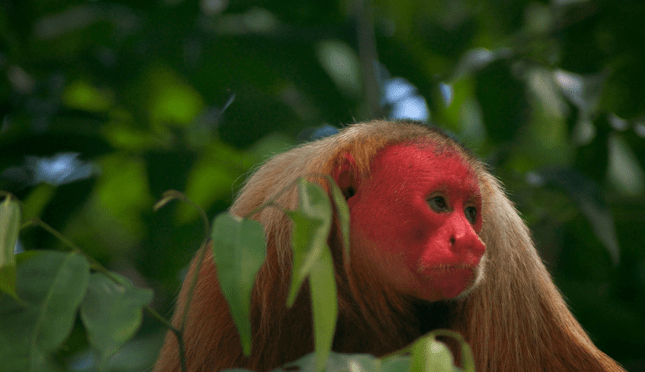
Pitheciidae
It is high time we moved on to New World Monkeys. All of the primates discussed from now on are going to be found in South America, starting with the family pitheciidae. Pitheciids include titi monkeys, saki monkeys, and uakaris. They are a pretty strange looking bunch, with the red-headed uakari being a personal favorite of mine. Continue reading Pitheciidae
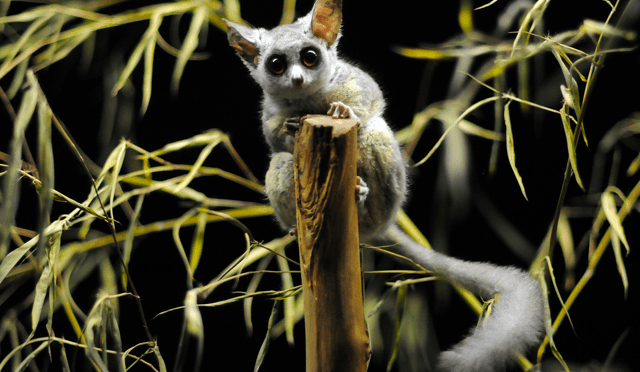
Galagidae
I had an interesting encounter with a member of the galagidae family during my time in Sierra Leone, although at the time I didn’t know that’s what I was hearing. I woke up in the middle of the night in my tent in an absolute panic as I was fairly certain I was hearing a woman being murdered. I didn’t know what to do, so I told myself it was a very upset goat and went back to sleep. In the morning I learned that I was listening to the majestic call of the bush baby, or galago, or the only member of the galagidae family. Continue reading Galagidae
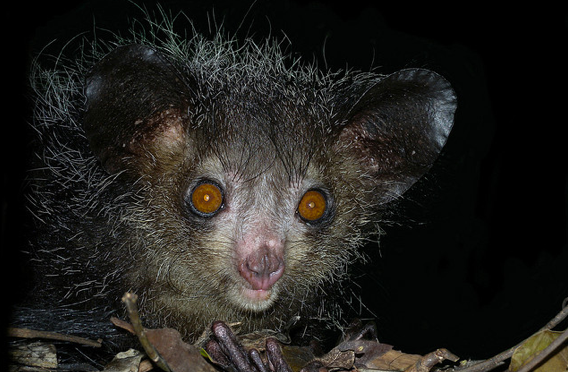
Daubentoniidae
Well, I personally think daubentoniidae this is the most difficult family to memorize, and I don’t quite know why. This family is really unique and contains only one species: the Aye-Aye. These weird little lemurs are the only species left of the daubentoniids after the other went extinct about 1,000 years ago. Continue reading Daubentoniidae
Megaladapidae
Megaladapidae is one of the families of primates that is often argued over by taxonomists. Everyone has an opinion in taxonomy. I have decided to put it as a separate family because honestly, sportive lemurs are pretty cool. Megaladapids were said to be extinct because the taxonomic group originally covered all of the giant lemurs the size of gorillas that use to roam Madagascar. But like most megafauna, it was killed off by humans.

 Endangered Living